
Chalk: From Ancient Oceans to Daily Life


Introduction
Chalk is a soft, white rock formed from ancient marine organisms, used in classrooms, art, tailoring, and industry worldwide
In Pakistan, tailors often use chalk to mark patterns on fabric before cutting. Each mark ensures accuracy, showing how this simple rock continues to guide human activity.
Where Chalk Comes From?
Chalk began forming during the Cretaceous period, when much of the Earth was covered by shallow seas. Tiny marine organisms thrived, and after they died, their calcium carbonate shells sank to the seabed. Over millions of years, pressure compressed these layers into chalk.
Famous Chalk Formations:
- White Cliffs of Dover, England
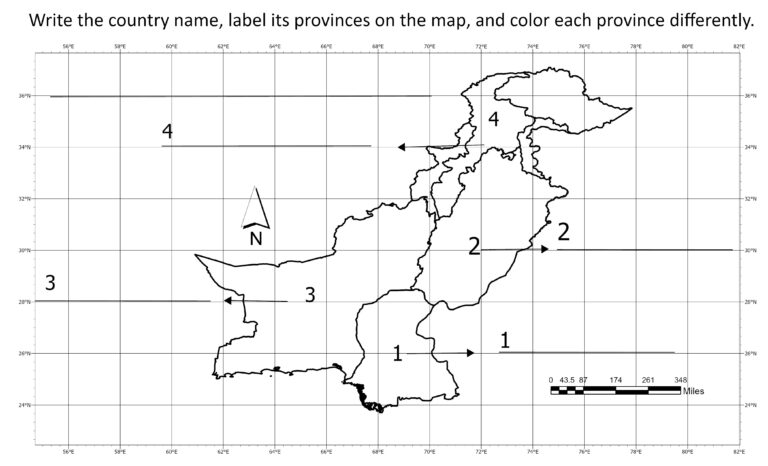
- Kirthar Range, Sindh and Balochistan, Pakistan
- These formations act as natural records of ancient marine life, connecting us to the Earth’s history.
How Chalk Forms?
- Tiny plankton die and settle on the seabed
- Their remains accumulate as soft sediments
- Pressure compacts these layers into solid chalk
- Industries now produce synthetic chalk by mixing powdered calcium carbonate or gypsum with water.
- Natural chalk is white
- Pigments create colors like pink, blue, or yellow
- Types of Chalk and Its Uses
Types:
- Natural Chalk: Found in cliffs and rocks
- Blackboard Chalk: Synthetic, for classrooms
- Colored Chalk: For art and tailoring
- Industrial Chalk: Fine powder for paints, rubber, and paper
Uses:
- Writing and drawing in classrooms
- Art and tailoring in Pakistan
- Agriculture and construction
- Industry, cosmetics, and medicine
Advantages and Modern Applications
Advantages:
- Eco-friendly, safe, affordable, and recyclable
- Modern Innovations:
- Nanotechnology
- Carbon capture
- Medical supplements
- Dustless chalk for classrooms
Challenges:
- Dust can irritate
- Chalk breaks easily
- Digital alternatives are gradually replacing traditional chalk
Conclusion
From ancient oceans to modern classrooms and workshops, chalk is more than a rock — it is a symbol of knowledge, creativity, and human connection with nature. Simple yet enduring, chalk continues to leave its mark in daily life, education, art, and industry.