Stratified Rocks: Formation, Types and Examples

Introduction
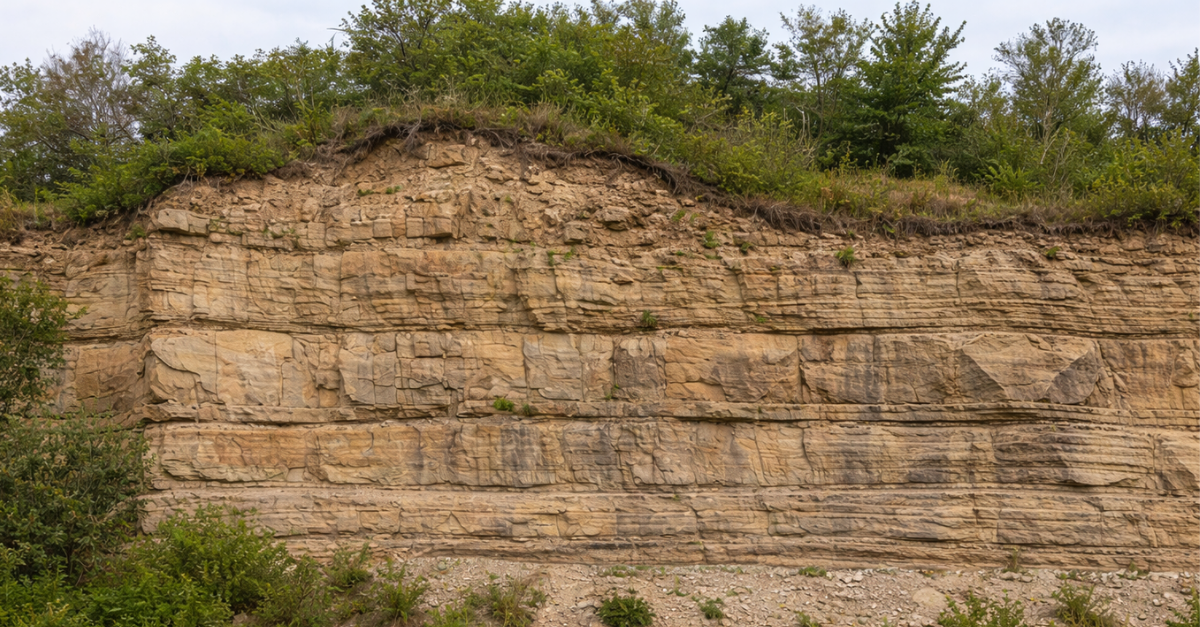
When we look at a cliff, a road cut, or a riverbank, we often notice rocks arranged in clear layers. Some layers are thick, some are thin, and each one looks slightly different in color or texture. These layered rocks are called stratified rocks, and they form the basic foundation of stratigraphy.
Stratified rocks are important because they preserve a record of Earth’s past. Each layer represents a specific period in time and reflects the conditions under which it was formed. By studying these layers, geologists can understand ancient environments such as oceans, rivers, deserts, glaciers, and volcanic regions.
In this article, we will explain stratified rocks in a simple way—how they form, what types exist, and how real-life examples help us understand Earth’s geological history.
What Are Stratified Rocks?
Stratified rocks are rocks that occur in the form of distinct layers, also known as strata. These layers are formed one over another through natural geological processes. Each layer usually represents a separate episode of deposition.
In simple words, stratified rocks are rocks arranged in layers that were formed at different times.
These layers can vary in:
- Thickness
- Color
- Composition
- Texture
Most stratified rocks are sedimentary rocks, but in some cases, volcanic and even metamorphic rocks can show stratification if original layering is preserved.
How Do Stratified Rocks Form?
The formation of stratified rocks is a gradual process that takes place over thousands to millions of years. It mainly involves deposition, compaction, and cementation.
Deposition of Material
Material such as sand, mud, clay, shells, and volcanic ash is transported by natural agents like water, wind, ice, or gravity. When the energy of these agents decreases, the material settles down and forms a layer.
For example:
- A river deposits sand during floods
- A calm lake allows fine clay to settle
- The sea floor collects shells and mud over time
Each depositional event creates a separate layer.
Layer-by-Layer Accumulation
Deposition does not happen all at once. New material is deposited over older material. As a result, layers build up one above another. This is why lower layers are usually older than upper layers.
This simple principle helps geologists determine the relative age of rock layers.
Compaction and Cementation
When new layers continue to settle on top, the older sediments beneath experience increasing pressure and begin to compact. Water trapped between grains is squeezed out, and minerals act as cement to bind the particles together. With time, these loose materials gradually harden and become rock
Why Are Stratified Rocks Important in Geology?
Stratified rocks are important because they:
- Preserve a record of geological time
- Help determine the sequence of events
- Contain fossils that indicate past life
- Reveal ancient environments
Almost all stratigraphic studies are based on stratified rocks. Without them, it would be difficult to understand Earth’s history.
Types of Stratified Rocks
Stratified rocks can be grouped into different types based on how they form.
Sedimentary Stratified Rocks
These are the most common stratified rocks. They form through the deposition of sediments in layers.
Common examples include:
- Sandstone
- Shale
- Limestone
Each sedimentary layer reflects the environment in which it was deposited.
For example:
- Sandstone often indicates river or desert conditions
- Shale forms in calm water such as lakes or deep seas
- Limestone usually forms in warm, shallow marine environments
Sedimentary stratification is usually very clear and easy to observe in the field.
Layered Volcanic Rocks
Volcanic activity can also produce stratified rocks. When lava flows or volcanic ash eruptions occur repeatedly, each event forms a separate layer.
These layers may include:
- Lava flows
- Ash beds
- Tuff layers
Over time, multiple eruptions create a layered volcanic sequence. Such stratification is common in volcanic regions and is important for understanding eruption history.
Stratified Metamorphic Rocks
Some metamorphic rocks show layering inherited from their original sedimentary structure. If the original stratification survives metamorphism, these rocks can still be studied in stratigraphy.
However, not all metamorphic rocks are stratified. Only those with preserved layering are considered useful for stratigraphic interpretation.
Special Deposits Showing Stratification
Some geological deposits may not look like typical layered rocks, but they still form part of stratigraphic studies.
These include:
- Glacial deposits
- Wind-blown loess
- Cave sediments
- Collapse breccias
Although layers may be irregular or poorly defined, these deposits still provide valuable environmental information.
Examples of Stratified Rocks in Nature
River Deposits
Rivers deposit sediments during floods. Coarser material settles first, followed by finer material. This creates layered sand and silt deposits along riverbanks
Lake Sediments
Lakes often show very fine stratification. Seasonal changes can produce thin annual layers that record climate variations.
Marine Sediments
The sea floor accumulates sediments slowly over long periods. Limestone, shale, and marl layers commonly form in marine environments.
Volcanic Ash Layers
Volcanic ash settles rapidly over large areas. These layers act as time markers and help correlate rocks from different regions.
Stratified Rocks and Geological Time
Each layer in a stratified rock sequence represents a specific time period. By studying the order of layers, geologists can reconstruct the sequence of geological events.
Even without absolute dating, stratified rocks allow geologists to establish relative ages, which is a key concept in geology.
Field Identification of Stratified Rocks
In the field, stratified rocks can be identified by:
- Visible layering
- Differences in color or texture
- Fossil content
- Changes in grain size
Field observation is essential because maps and subsurface data alone cannot show all details.
Conclusion
Stratified rocks are the backbone of stratigraphy. Their layered nature records Earth’s long and complex history in a clear and understandable way. By studying how these rocks form, their types, and real-life examples, geologists can interpret past environments and geological events.
Understanding stratified rocks is essential for anyone studying geology because they provide the physical record upon which stratigraphy is built. These layers are not just rocks—they are pages of Earth’s history waiting to be read.